Biodiverse Wildlife garden
Project Location
London
Completion Time
Evolving Project
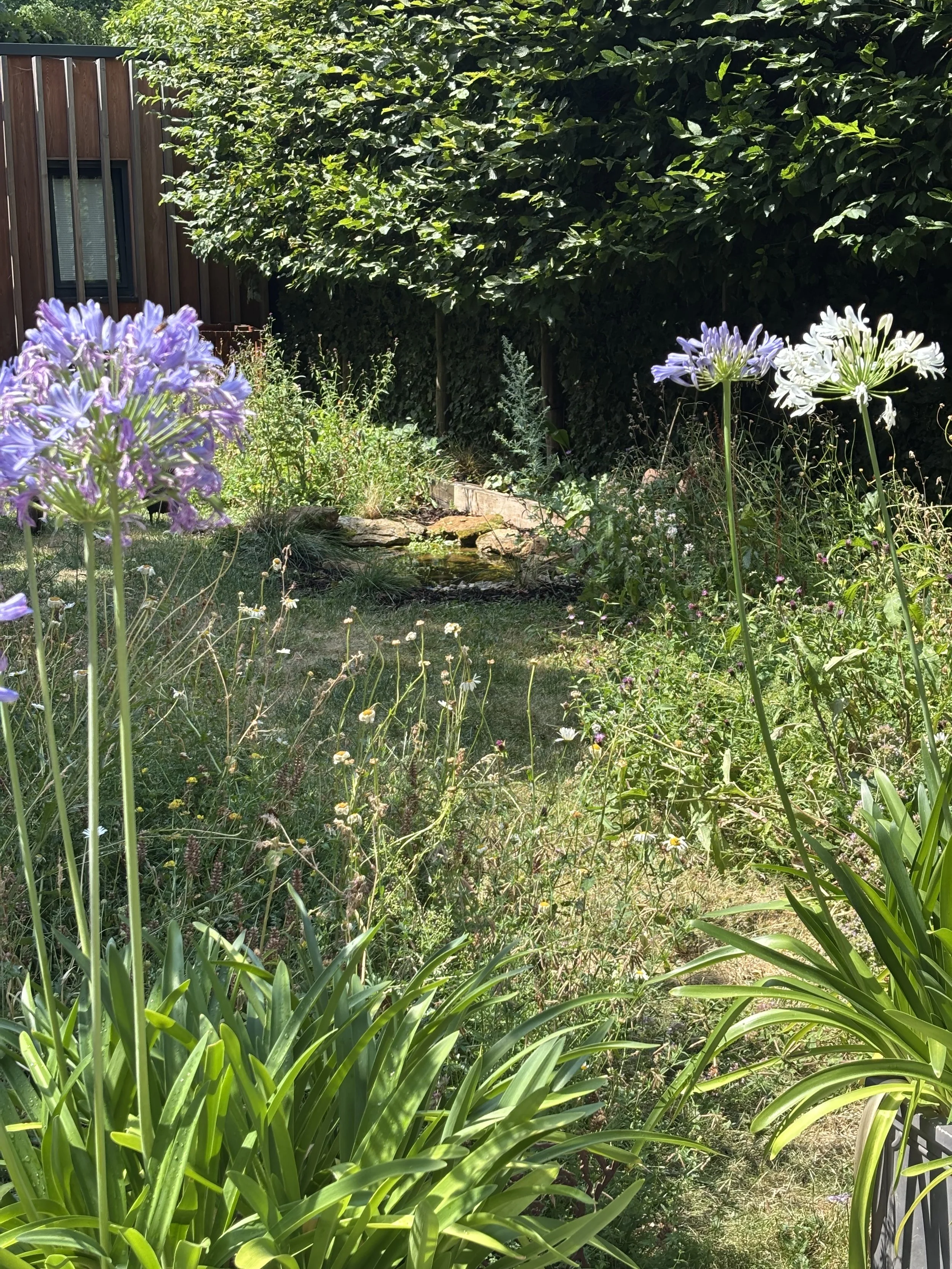
This is an ongoing biodiversity project in London, focused on restoring the garden using regenerative principles.
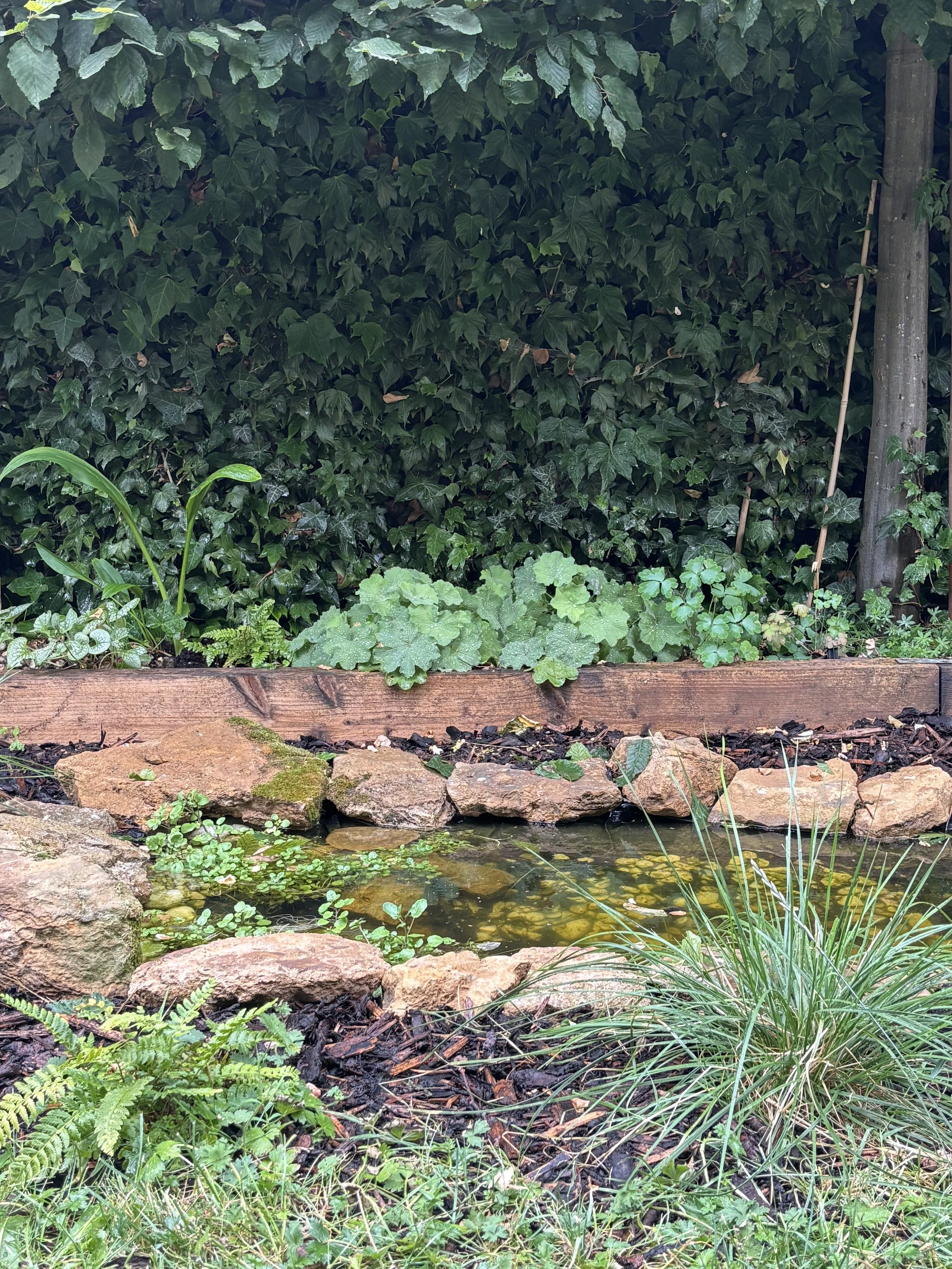
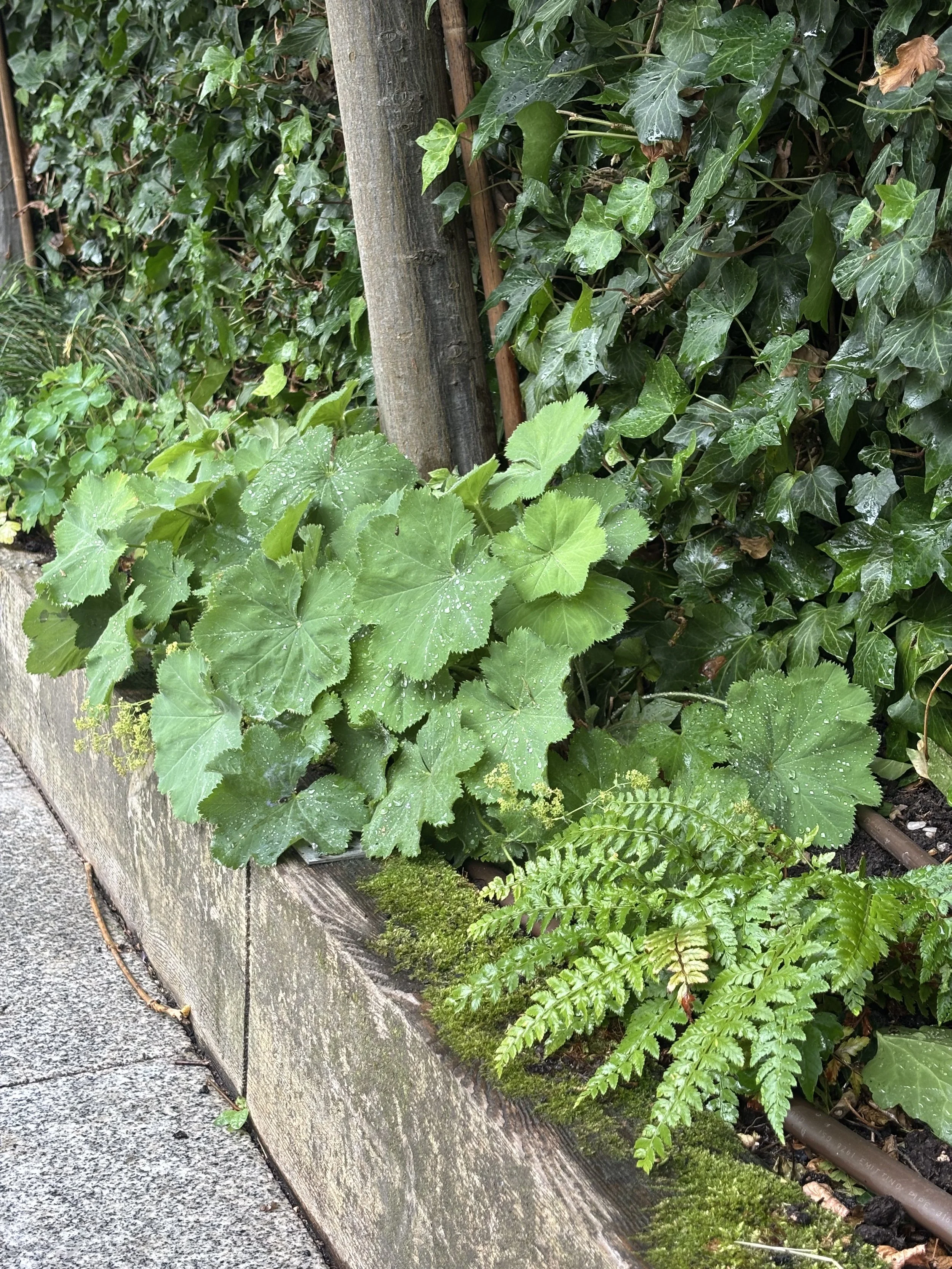
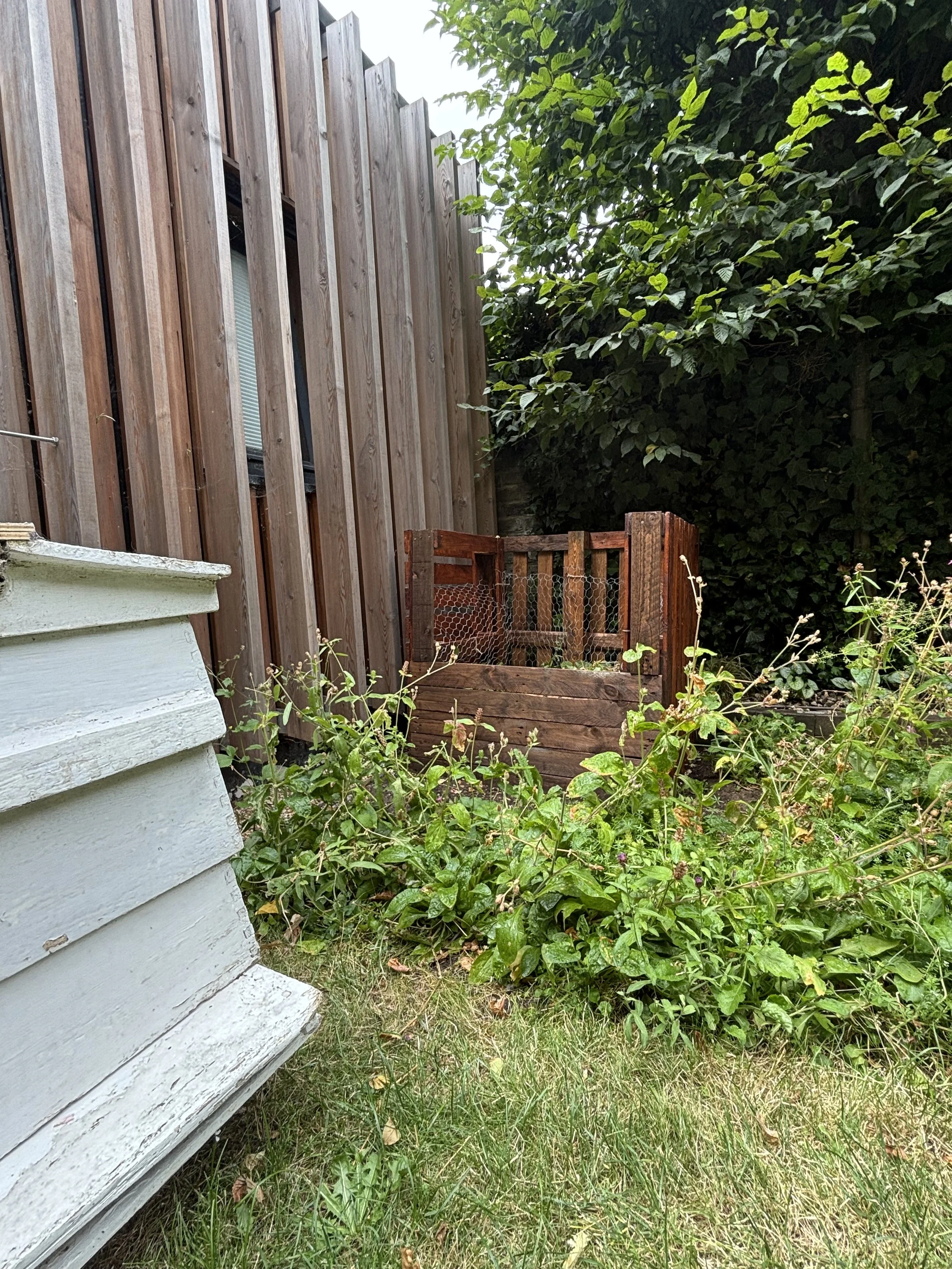
So far, we've introduced pollinator-friendly planting throughout the borders, restored a vulnerable wildflower meadow with a diverse native seed mix, built a composting area from reclaimed pallets, and created a wildlife pond using reclaimed stone and filled it with oxygenating plants. The pond is powered by a solar aerator to maintain healthy oxygen levels—helping support an even greater diversity of wildlife.
We also drilled nesting holes into timber around the pond to provide habitat for solitary bees, helping to support pollinators across the site.
The project will continue to evolve over time as the garden matures and biodiversity increases.
Zero Waste Self Watering Vegetable Garden
Project Location
London
Completion Time
3 Days
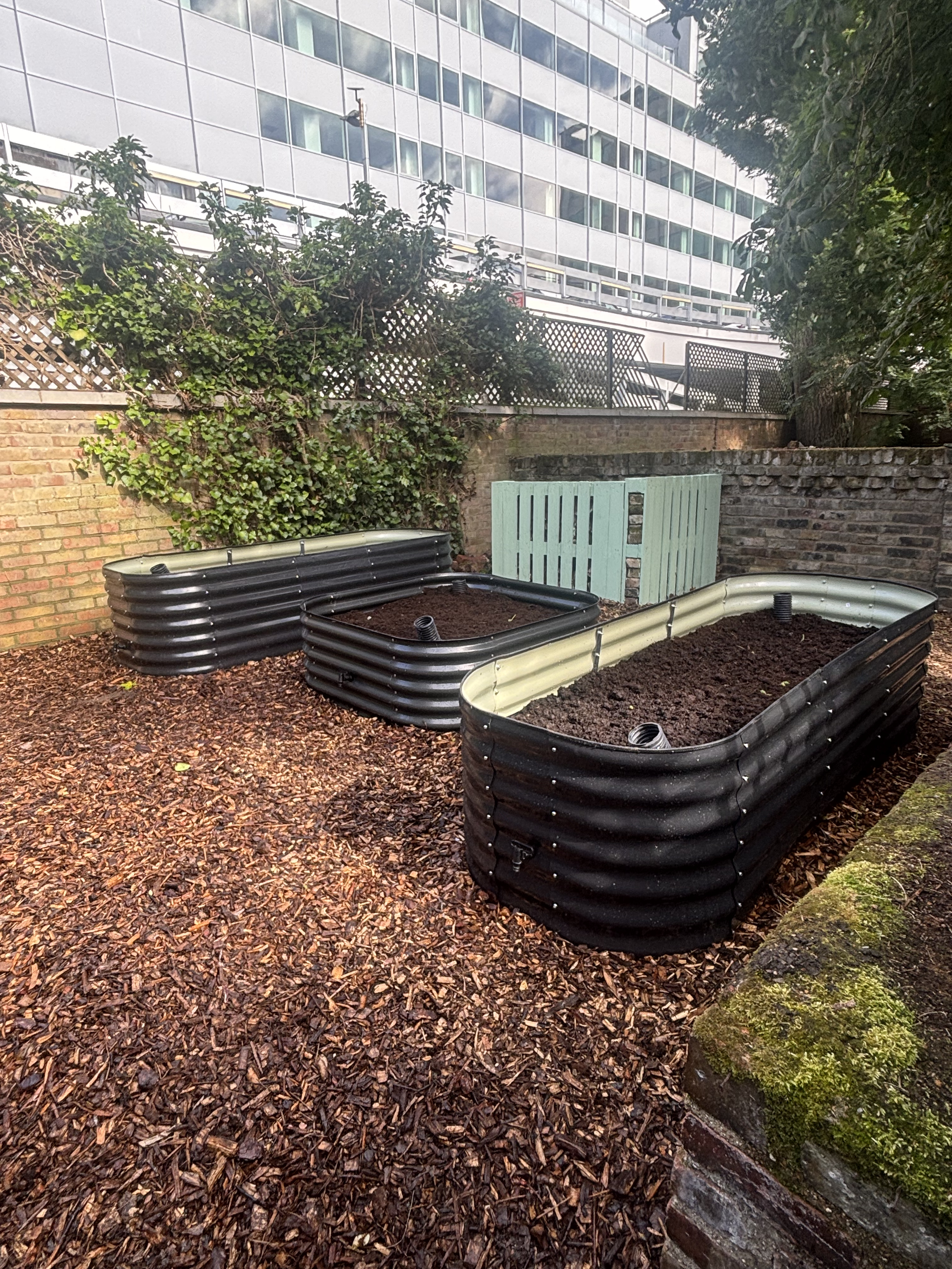
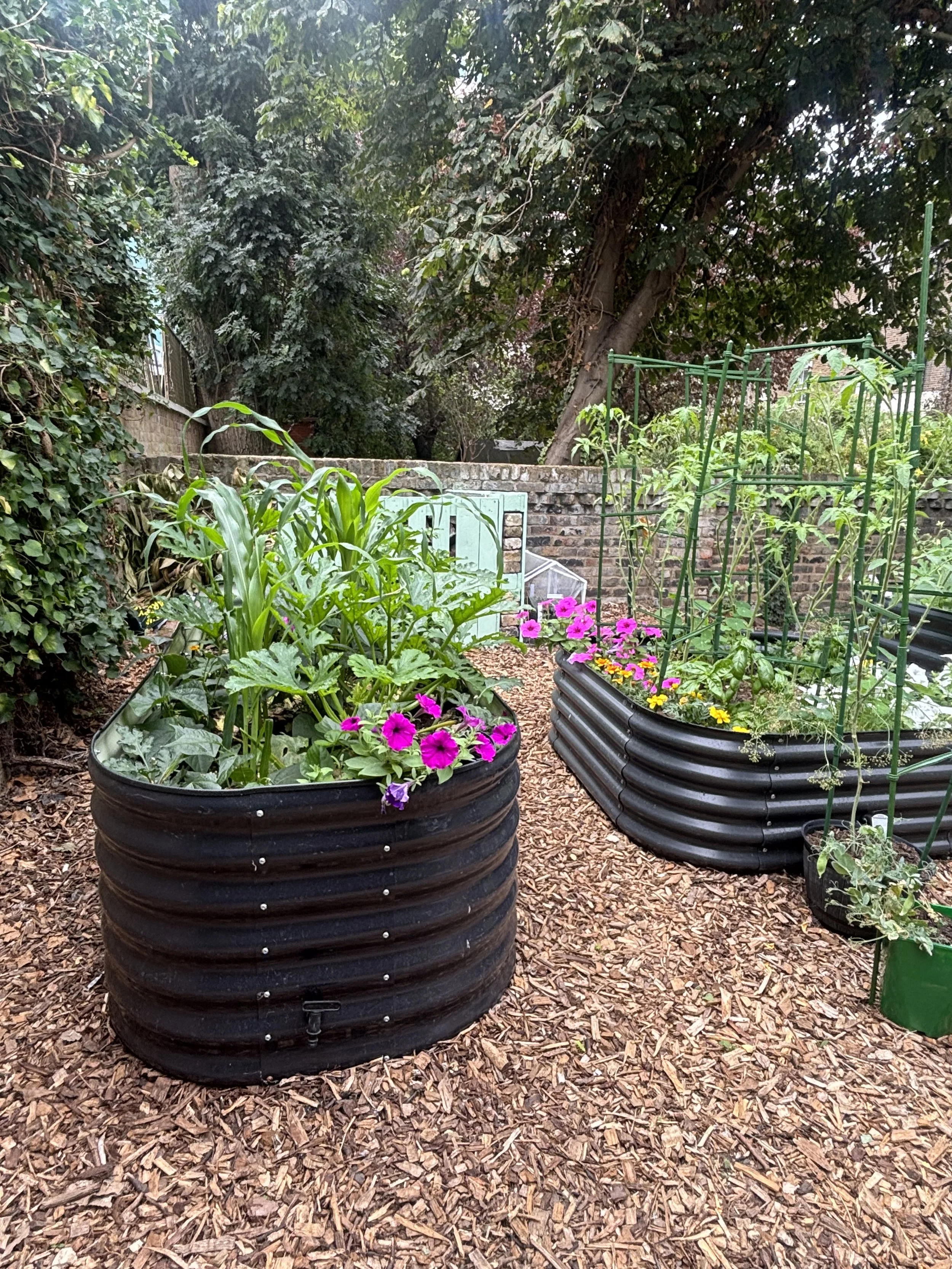
I built this zero-waste self-watering vegetable garden using as much of the existing material on site as possible.
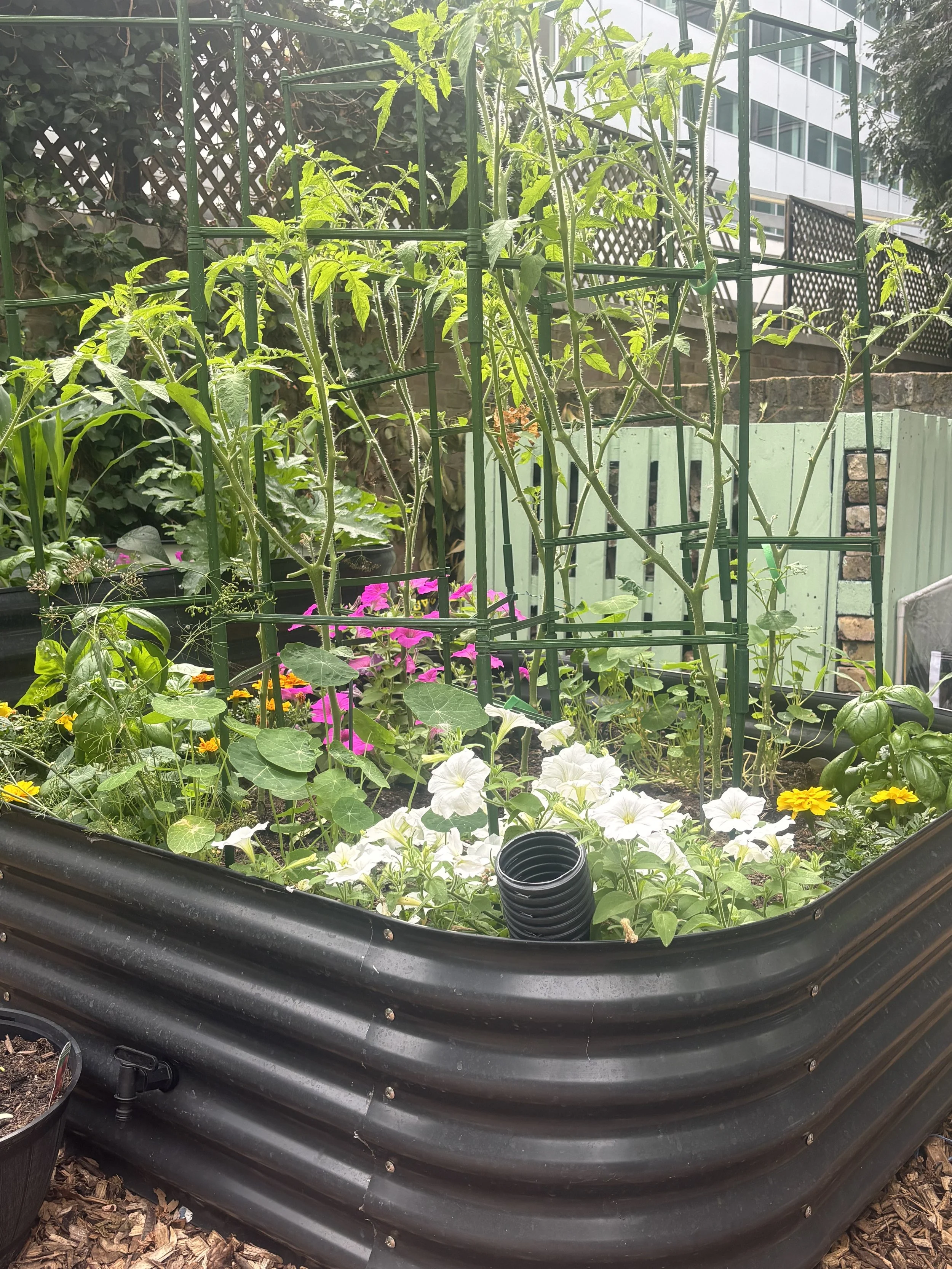
The beds are wicking beds, which means there’s a water reservoir underneath the soil made from gravel. We used two vertical pipes — one to fill up the water reservoir from the surface, and another as a worm tower, allowing worms and organic matter to feed directly into the system and help build healthier soil naturally over time.
The water sits beneath the soil and is slowly drawn upwards through capillary action, which keeps the beds evenly moist for much longer, reduces water waste and encourages deeper root growth, especially during hotter periods.
Instead of removing the garden waste, we reused all the organic matter back into the beds to help build living soil naturally.
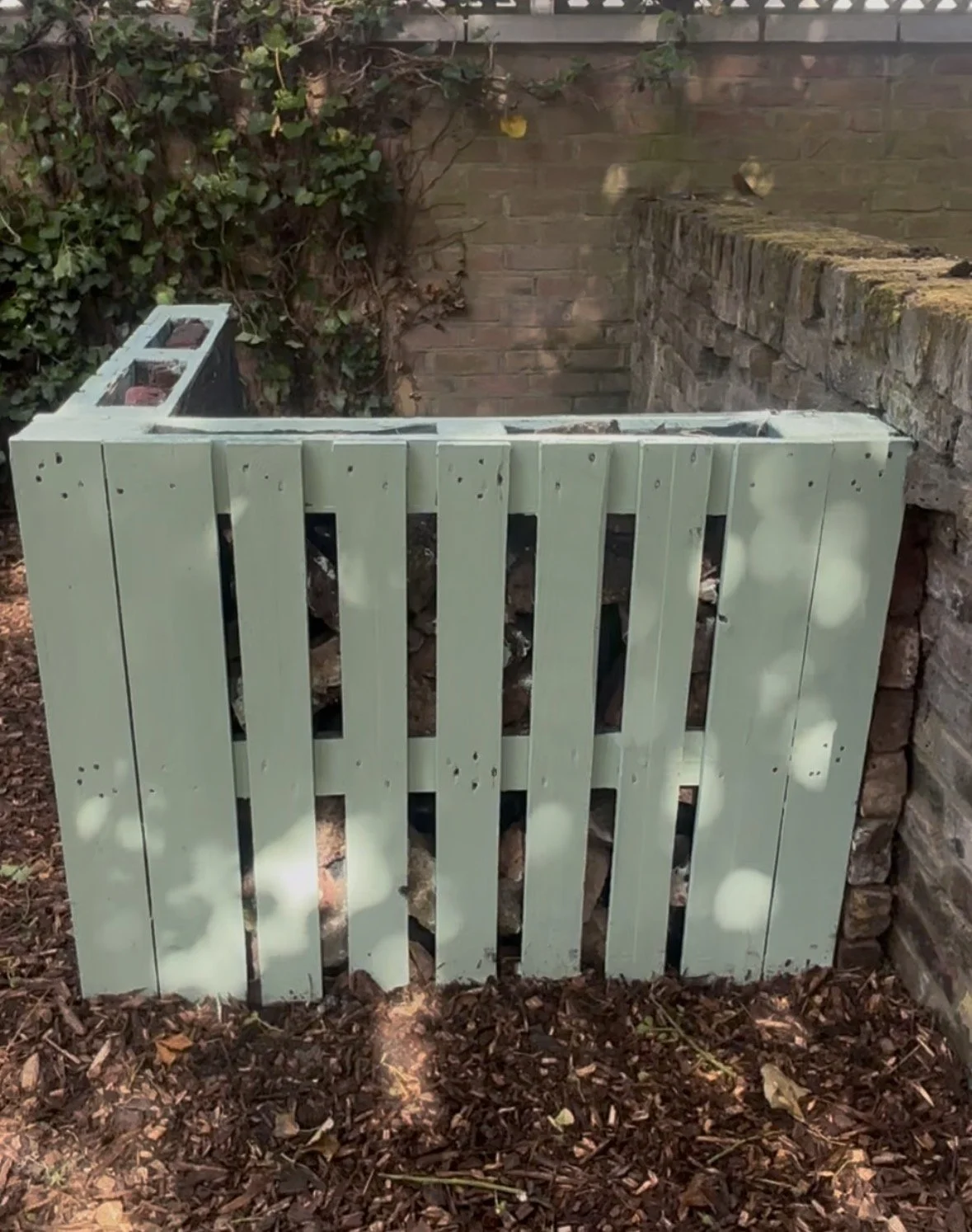
We also turned the pallets the compost came on into a composting area, reused old bricks found around the space for borders and details, and used leftover wood to create beetle habitats in the corner to encourage biodiversity.
Nothing left the garden — everything became part of the system again.